
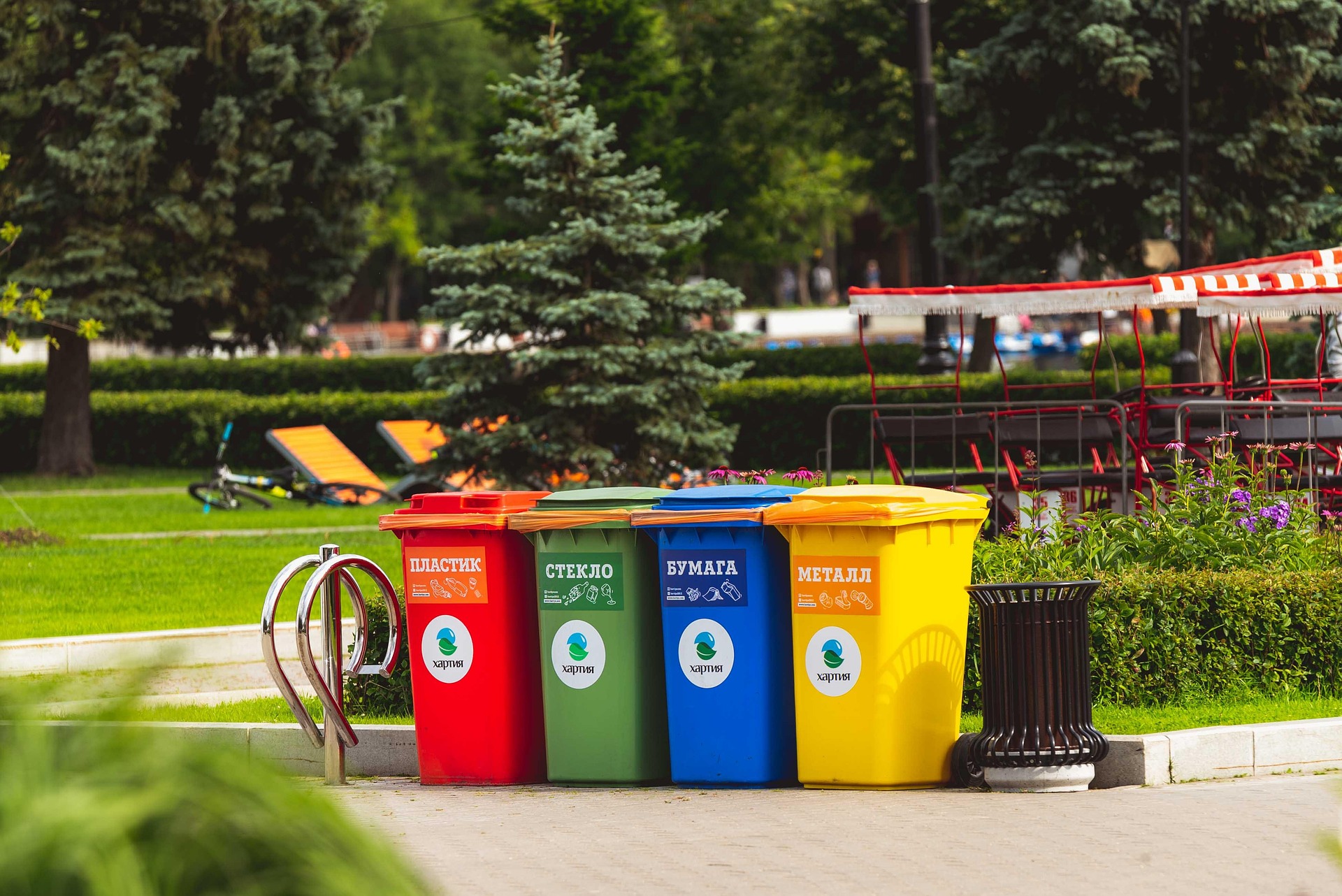
As global waste continues to rise, managing it responsibly is critical for a sustainable future. By focusing on reduction, reuse, recycling, and waste-to-energy, we can turn waste into a resource—and protect the environment at the same time.
1. Reduce
Why It Matters: Preventing waste is the most effective strategy. Less waste means less need for disposal or treatment.
How to Do It:
- Choose products with minimal packaging
- Avoid single-use items
- Support sustainable brands
- Buy only what you need
Key Benefit: Cuts costs and conserves resources at the source.
2. Reuse
Why It Matters: Reusing gives items a second life and reduces demand for new products.
How to Do It:
- Donate or buy secondhand
- Repair instead of replace
- Use refillable containers
Key Benefit: Minimizes waste and supports a sharing economy.
3. Recycle
Why It Matters: Recycling keeps materials in use and reduces landfill waste.
How to Do It:
- Sort waste properly at home or work
- Use local recycling services
- Avoid contaminating recyclables
Key Benefit: Saves energy and reduces environmental impact.
4. Recover
Why It Matters: Some waste can’t be reused or recycled—but it can still be used to generate energy.
How to Do It:
- Incinerate waste for power
- Convert organic waste into biogas
- Explore pyrolysis and gasification
Key Benefit: Reduces landfill volume and generates clean energy.
Final Thoughts
A sustainable future depends on smarter waste management. By combining reduction, reuse, recycling, and recovery, we can turn today’s trash into tomorrow’s value. Every step counts—whether it’s skipping plastic bags or supporting renewable energy solutions.
Let’s rethink waste, together.


Add comment